The silence was broken not by a statement, but by a sighting. Adam Thomas—former Waterloo Road star and reality TV contender—was seen in public for the first time since the now-infamous moment he tore apart his symbolic "king of the jungle" crown during the I'm a Celeb finale. The act, raw and unscripted, came moments after David Haye’s pointed taunt. Cameras caught everything: the flare in Thomas’s eyes, the rip of fabric, the scattered insignia left on the ground. Now, weeks later, Thomas reemerged—calm, composed, but undeniably changed.
This wasn’t just a temper tantrum. It was a breaking point.
The Crown Incident That Shook the Finale
The I’m a Celeb finale had all the usual trappings: emotional speeches, tearful reunions, and a scripted crowning. This year, Adam Thomas was handed the crown—more ceremonial than royal, yet symbolically powerful. It signified resilience, endurance, respect from campmates. But as he stood there, microphone in hand, David Haye stepped forward with a smirk and a jab: “Enjoy it while it lasts, mate. Because we both know you didn’t earn this.”
The arena froze.
Haye, the former world champion boxer, had made it no secret that he viewed Thomas—whose fame stems from acting and advocacy work around mental health—as soft. On the show, their dynamic simmered: competitive stunts, passive-aggressive comments, and a clash of worlds—sport vs. art, aggression vs. introspection.
But that line—delivered with theatrical timing—cut deep. Thomas hesitated. Then, in one fluid motion, he ripped the crown apart.
Feathers, fabric, and gold thread scattered across the stage. The audience gasped. Producers scrambled. Haye, caught off guard, took a step back.
It was the most unscripted moment in I’m a Celeb history.
Why the Crown Meant More Than a Title
To dismiss the crown as a cheap prop would miss the point entirely.
For Thomas, it wasn’t about winning. It was about validation. Over six grueling weeks in the Australian jungle, he’d pushed through physical exhaustion, mental health setbacks, and isolation. He’d opened up about his anxiety, his struggles with self-worth, and his journey to sobriety. Campmates respected him not for toughness, but for vulnerability.
The crown was the culmination of that arc. A nod to the quiet strength it takes to keep going when your mind tells you to quit.
Haye’s comment—implying Thomas hadn’t "earned" it—struck at the core of his insecurities. In that moment, the symbol became unbearable. To wear it after being undermined was to pretend the insult didn’t matter. To destroy it was to reclaim agency.
“He didn’t just rip up a hat,” said one crew insider. “He ripped up the expectation that he had to accept disrespect with a smile.”
David Haye’s Role in the Escalation
David Haye entered the jungle with a reputation: outspoken, combative, unapologetically confident. From day one, he positioned himself as the alpha—completing Bushtucker Trials with ease, dismissing emotional conversations as “weakness.”
His friction with Thomas wasn’t sudden. During a trial where Thomas struggled with panic attacks, Haye was heard muttering, “Grow a pair.” Later, during a camp debate on mental health, Haye said, “Back in the real world, no one’s going to care if you’re anxious. You either toughen up or get left behind.”
For viewers, it was jarring. For Thomas, it was a recurring trigger.
Producers have since admitted they saw the tension building. “We thought it might lead to a confrontation, but we never expected something like the crown moment,” said a senior production staffer on background.
Haye, for his part, defended his remarks in a post-show interview: “I speak my truth. If someone can’t handle hearing it, that’s on them.”
But critics argue he crossed a line—using a platform meant for personal growth to belittle emotional honesty.
The Public Reaction: Divided but Intense
Social media exploded.
Within minutes of the finale airing, #DavidHaye was trending—not for boxing, but for “bullying.” Over 37,000 tweets called for his removal from future shows. Mental health charities, including Mind and CALM, praised Thomas’s journey and condemned toxic masculinity in reality TV.
Meanwhile, Haye’s supporters rallied. “He’s not a therapist,” wrote one fan. “He’s there to compete. Stop turning everything into a therapy session.”
The split mirrored a larger cultural divide: Is resilience about enduring pain without complaint? Or is it about surviving it honestly?
Thomas, through his agent, declined interviews immediately after. But his silence only amplified the narrative. Memes circulated: Thomas as Hamlet holding the torn crown, Haye as a medieval jester, the jungle set as Shakespearean stage.
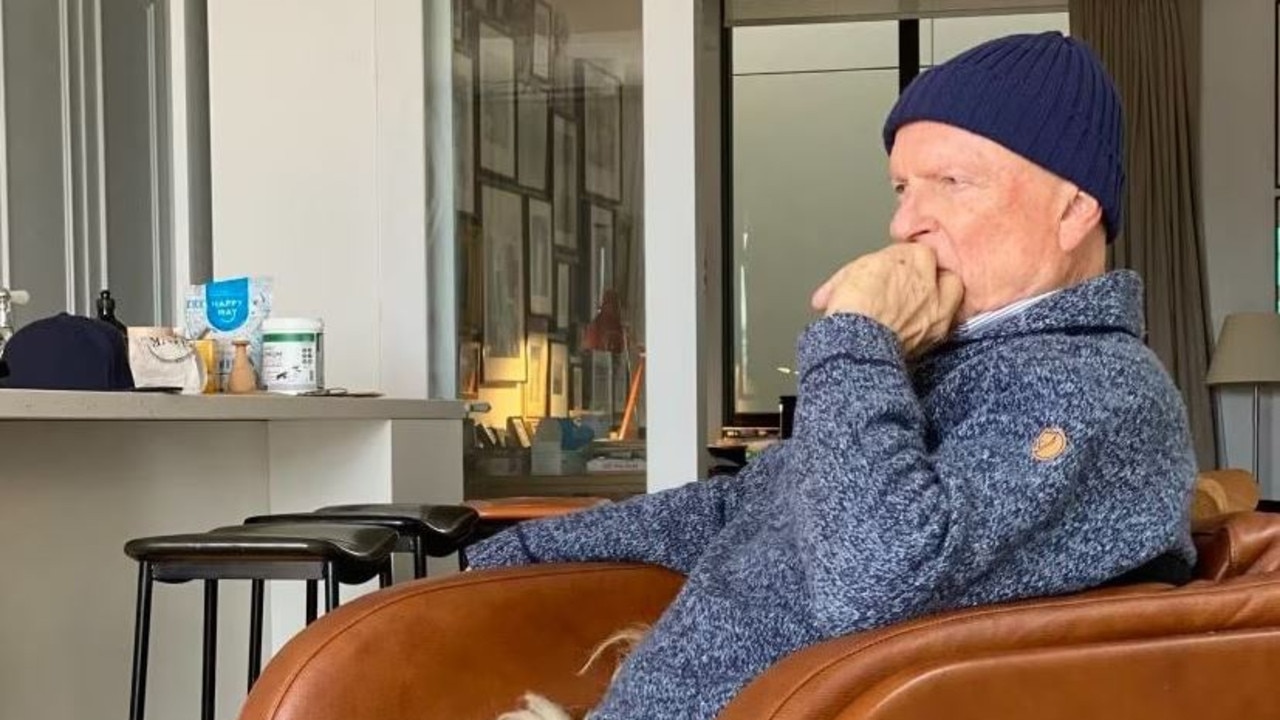
Then, two weeks later, he was spotted.
First Sighting: Calm After the Storm
Adam Thomas was seen walking alone through Hampstead Heath, wearing a navy hoodie, hands in pockets, no entourage.
No press. No filming. Just a man moving through his world.
A bystander captured a short clip—Thomas pausing by a bench, watching ducks on the pond. He looked tired, but peaceful. When a fan approached and said, “You handled it with grace,” Thomas nodded and replied, “Didn’t feel graceful at the time.”
That moment—quiet, unguarded—spoke volumes.

It suggested reflection, not regret. Healing, not hiding.
His team later confirmed he’s back in therapy, working on a documentary about men’s mental health. No word on whether Haye will be featured.
What This Means for Reality TV’s Future
The incident has sparked a broader reckoning.
Ofcom received over 200 complaints about Haye’s conduct. ITV has launched an internal review into how mental health dynamics are managed in camp dynamics. And producers of other reality shows—from Love Island to The Challenge—are reevaluating how conflict is framed.
“We’re not here to exploit trauma,” said a senior executive at RDF Television. “But we also can’t script authenticity. The line is thinner than we thought.”
Some argue the crown moment was a wake-up call: viewers no longer want manufactured drama. They want real stakes, real emotions, real consequences.
Thomas’s destruction of the crown may become iconic—not as a fit of rage, but as a protest against performative toughness.
Reality Stars Are Human—And That’s the Point
Too often, we treat reality contestants as caricatures.
The villain. The sweetheart. The joker.
But people like Adam Thomas remind us: behind the confessionals, behind the trials, there are real wounds, real fears, real journeys.
His act wasn’t about ego. It was about identity.
He wasn’t rejecting the crown because he didn’t want it. He rejected it because, in that moment, it felt like a lie. A prize handed to him while someone he’d competed beside dismissed his struggles as invalid.
Destroying it was the only honest response.
And now, reemerging—without fanfare, without apology—we see the aftermath: not a man broken, but one rebuilding.
On his terms.
What Comes Next for Adam Thomas
There’s talk of a return to acting. A potential role in a BBC drama about addiction recovery.
More importantly, his advocacy work is gaining traction. He’s in talks with schools to deliver workshops on emotional resilience for young men.
As for Haye? He’s back in training. No public comment on the incident since the finale.
But the story isn’t over.
Because Adam Thomas didn’t just tear up a crown. He started a conversation.
And conversations, once begun, are hard to silence.
Final Thought: If you’ve ever been told you didn’t “earn” your success because it didn’t look like someone else’s struggle—Thomas’s moment was for you. Not every battle leaves bruises. Some leave silence. And that’s enough.
Frequently Asked Questions
What did David Haye say to Adam Thomas that caused the incident? Haye said, “Enjoy it while it lasts, mate. Because we both know you didn’t earn this,” moments after Thomas was crowned king of the jungle.
Has Adam Thomas spoken publicly about tearing up the crown? Not in a formal interview, but he was overheard telling a fan, “Didn’t feel graceful at the time,” during his first public sighting post-finale.
Was David Haye penalized for his comments on I'm a Celeb? Haye faced no in-show penalty, but Ofcom received over 200 complaints, and ITV is reviewing how mental health interactions are handled on the show.
What does the crown symbolize on I'm a Celeb? The crown is awarded to the contestant seen as most resilient and respected by peers—symbolizing endurance, leadership, and emotional strength in the jungle.
Why did Adam Thomas destroy the crown instead of ignoring Haye? For Thomas, the crown represented his personal journey through anxiety and self-doubt. Haye’s comment invalidated that, making the symbol feel hollow and dishonest to wear.
Is there footage of Adam Thomas after the incident? Yes—unofficial video of Thomas walking through Hampstead Heath surfaced online, showing him calm and reflective, though no formal interviews have been released.
Could this affect future seasons of I'm a Celeb? Yes. ITV is reviewing camp dynamics, and producers across reality TV are rethinking how conflict and mental health are managed on screen.
What mistakes should you avoid? Avoid generic choices, weak validation, and decisions based only on marketing claims.
What is the next best step? Shortlist the most relevant options, validate them quickly, and refine from real-world results.