When a microphone was thrust toward Kailash Kher at a public gathering in Delhi, the room braced for the soulful voice that once echoed across stadiums with “Barkha Rani” and “Teri Deewani.” Instead, he paused, looked at the person making the request, and said one quiet but firm line: “Yeh request hi mat kijiye.”
The moment went viral. Not because of a song. Not because of a performance. But because of a refusal — calm, composed, and utterly unexpected.
Kailash Kher, known for his spiritual vocals and grounded persona, turned down a casual demand to sing just two lines. At first glance, it seemed like an overreaction. But the incident opens a deeper conversation about artistic respect, public expectation, and the invisible labor behind performance culture in India.
The Moment That Sparked a Debate
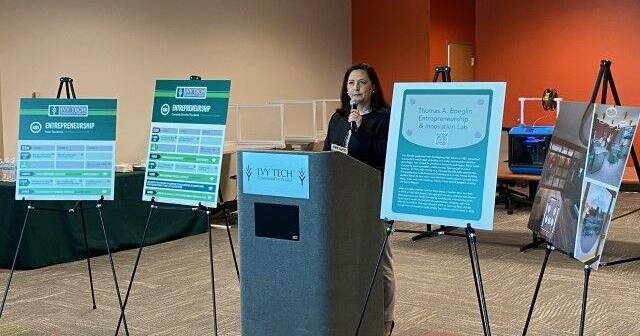
It happened during a cultural gathering in central Delhi — not a concert, not a music festival, but a community event commemorating a local heritage initiative. Kailash Kher was present as a guest speaker, invited to talk about music’s role in preserving traditions.
After his speech, as he moved toward the exit, a well-meaning attendee stepped forward with a microphone, urging him: “Bas do lines gaayein, sir. Bas itna sa pyaar hai aapke gaano mein.”
Without hesitation, Kailash replied, “Yeh request hi mat kijiye. Aapko lagta hai bas bol diya toh gaane lag jaunga?” (“Please don’t even make this request. Do you think I’ll just start singing the moment you ask?”)
He didn’t raise his voice. He didn’t walk away abruptly. But the quiet intensity of his response silenced the room. Videos of the exchange spread rapidly across WhatsApp, Instagram, and X (formerly Twitter), igniting a national conversation.
Why the Reaction Wasn’t Just About Two Lines
On the surface, this was about a singer declining to perform. But dig deeper, and it’s about the normalization of free labor, especially from artists.
In India, public figures — especially musicians and actors — are routinely expected to perform on demand. At weddings, corporate events, political rallies, or even casual parties, the phrase “Ek gaana toh suna do!” is treated as a social obligation.
Kailash Kher’s refusal wasn’t arrogance. It was a boundary.
“Singers aren’t jukeboxes,” said veteran music producer Rajiv Bhattacharya. “Every performance requires emotional preparation, vocal warm-up, and context. To expect someone to jump into ‘Teri Deewani’ mid-conversation is like asking a surgeon to operate without gloves.”
The expectation that artists should perform anytime, anywhere, for free, reveals a cultural blind spot — one that often disrespects their craft and mental space.
The Emotional Labor Behind the Music

Kailash Kher’s voice carries weight — literally and figuratively. His singing draws from Sufi traditions, bhajans, and folk roots, requiring deep emotional resonance. For him, singing isn’t pressing play — it’s entering a meditative state.
At the Delhi event, he had just delivered a 20-minute speech on the erosion of folk music. He was mentally in a space of reflection, not performance. To abruptly shift into singing — even two lines — disrupts that emotional arc.
Consider this: - A vocalist’s throat is their instrument. Cold demands can risk strain. - Singing emotionally charged songs without preparation can lead to vocal cracks or poor delivery. - The pressure to perform on demand often forces artists into uncomfortable positions — say yes and feel used, or say no and be labeled “arrogant.”
Kailash chose authenticity over appeasement. And in doing so, he highlighted a silent burden carried by performers across genres.
Public Reaction: Divided but Thoughtful
Social media exploded with takes.
Some defended the attendee: > “He wasn’t being rude. Just a fan wanting a moment. Kailash could’ve smiled and sung something short.”
Others rallied behind the singer: > “We demand free performances like it’s nothing. Imagine if we asked a doctor to do a free check-up at a party. Same disrespect.”
What made this incident stand out was the nuance in the response. Unlike past celebrity meltdowns, there was no shouting, no drama. Just a firm, respectful “no.”
Polls on X showed a near 60–40 split, with a slight majority supporting Kailash. Offline, musicians, poets, and dancers expressed relief.
“Finally, someone said it,” wrote folk singer Anjali Sharma in a LinkedIn post. “I’ve been asked to perform at funerals, political meetings, even during Diwali fireworks. As if our art is background noise.”
When “Just Two Lines” Isn’t Just Two Lines
The phrase “Bas do lines” is dangerously misleading.
Two lines of “Allah Ke Bande” require a vocal range spanning over two octaves. Two lines of “Kangna” demand rhythmic precision and emotional depth. Even a simple bhajan like “Saiyaan” needs tonal control and breath support.
And that’s before considering soundchecks, microphone quality, and audience acoustics.
In professional settings, even a 90-second performance involves: - Vocal warm-up (5–10 minutes) - Sound testing (3–5 minutes) - Emotional calibration (variable) - Stage readiness (lighting, positioning)
To assume it’s “just two lines” is to misunderstand the art form entirely.
Real-world example: At a corporate dinner last year, a playback singer was asked to sing “Chaiyya Chaiyya” after dessert. No mic check, no instrumental. She tried. The pitch wobbled. The audience laughed. She later called it “one of the most humiliating moments of my career.”

Kailash Kher avoided that trap. Not for ego — for dignity.
The Deeper Cultural Pattern
India has a long history of romanticizing “impromptu” performances. From Mughal courts where poets composed on demand, to modern-day reality shows where contestants sing under pressure, spontaneity is celebrated.
But spontaneity on stage is choreographed. Real spontaneity — like singing at a random event — often lacks preparation, respect, and context.
Compare this to Western artistic norms: - You won’t see fans asking Bruce Springsteen to sing “Born to Run” at a book signing. - Daniel Day-Lewis won’t recite Hamlet at a film premiere afterparty. - Even at casual gatherings, boundaries are clearer.
In India, the line between public figure and public property blurs. And artists — especially those with mass appeal like Kailash Kher — bear the brunt.
What This Means for Artists and Audiences
This moment isn’t just about Kailash Kher. It’s a mirror.
For artists, it’s a reminder: your craft has value. Saying no isn’t rude — it’s necessary. Protect your energy. Set boundaries early.
For audiences, it’s a wake-up call: admiration shouldn’t override respect. If you admire someone’s art, support it — buy their music, attend concerts, promote their work. Don’t treat their talent as a party trick.
For event organizers, the lesson is clear: if you want a performance, book one. Include it in the schedule. Pay for it. Respect the process.
This isn’t about elitism. It’s about equity.
How to Request a Performance — The Right Way
Want a chance that Kailash Kher — or any artist — might sing? Follow this approach:
- Ask politely, not demandingly
- Instead of “Gaayein na!" try “Would you ever consider performing here?”
- Respect the context
- If they’re speaking, grieving, or in transit, it’s not the time.
- Offer a proper setup
- Microphone, sound system, and space matter. No one sings well over chatter.
- Acknowledge the effort
- Say: “We’d love to invite you to perform — we’ll handle arrangements and honor your time.”
- Be ready for “no”
- And accept it gracefully.
Art thrives on connection — but connection requires mutual respect.
A Quiet Stand That Echoed Loudly
Kailash Kher didn’t plan to make a statement that day in Delhi. But by simply saying “Yeh request hi mat kijiye,” he made one.
He reminded us that art isn’t a reflex — it’s a choice. That singers aren’t machines. That even two lines carry weight.
In an age where attention is currency and virality rewards outrage, his calm refusal was radical. Not loud. Not dramatic. But deeply human.
And perhaps that’s why it resonated.
Because sometimes, the most powerful performances aren’t sung.
They’re lived.
FAQ
Why did Kailash Kher refuse to sing two lines? He emphasized that singing isn’t a casual act — it requires preparation, emotional readiness, and respect for the art. He rejected the normalization of on-demand performances.
Was Kailash Kher rude in his response? Many view his tone as firm but not rude. He didn’t shout or insult anyone. He set a boundary clearly and calmly.
Has Kailash Kher spoken about this incident since? As of now, he hasn’t issued a formal statement, but sources close to him confirm he stands by his reaction.
Do other artists face similar requests? Yes. Musicians, dancers, and actors across India are routinely asked to perform at weddings, parties, and public events without preparation or compensation.
Is it disrespectful to ask a celebrity to sing? It depends on how it’s asked. Polite, well-timed invitations are fine. Demanding or pressuring someone disrespects their craft and personal boundaries.
What can fans do instead of asking for impromptu performances? Support artists by attending concerts, buying music, or sharing their work online. Respect their space when they’re off-duty.
Could Kailash Kher have handled it differently? Some suggest a softer refusal. But many artists argue that polite deflections often lead to repeated pressure — a clear “no” is sometimes the only way to be heard.
FAQ
What should you look for in Kailash Kher Refuses to Sing at Delhi Event: Full Story? Focus on relevance, practical value, and how well the solution matches real user intent.
Is Kailash Kher Refuses to Sing at Delhi Event: Full Story suitable for beginners? That depends on the workflow, but a clear step-by-step approach usually makes it easier to start.
How do you compare options around Kailash Kher Refuses to Sing at Delhi Event: Full Story? Compare features, trust signals, limitations, pricing, and ease of implementation.
What mistakes should you avoid? Avoid generic choices, weak validation, and decisions based only on marketing claims.
What is the next best step? Shortlist the most relevant options, validate them quickly, and refine from real-world results.