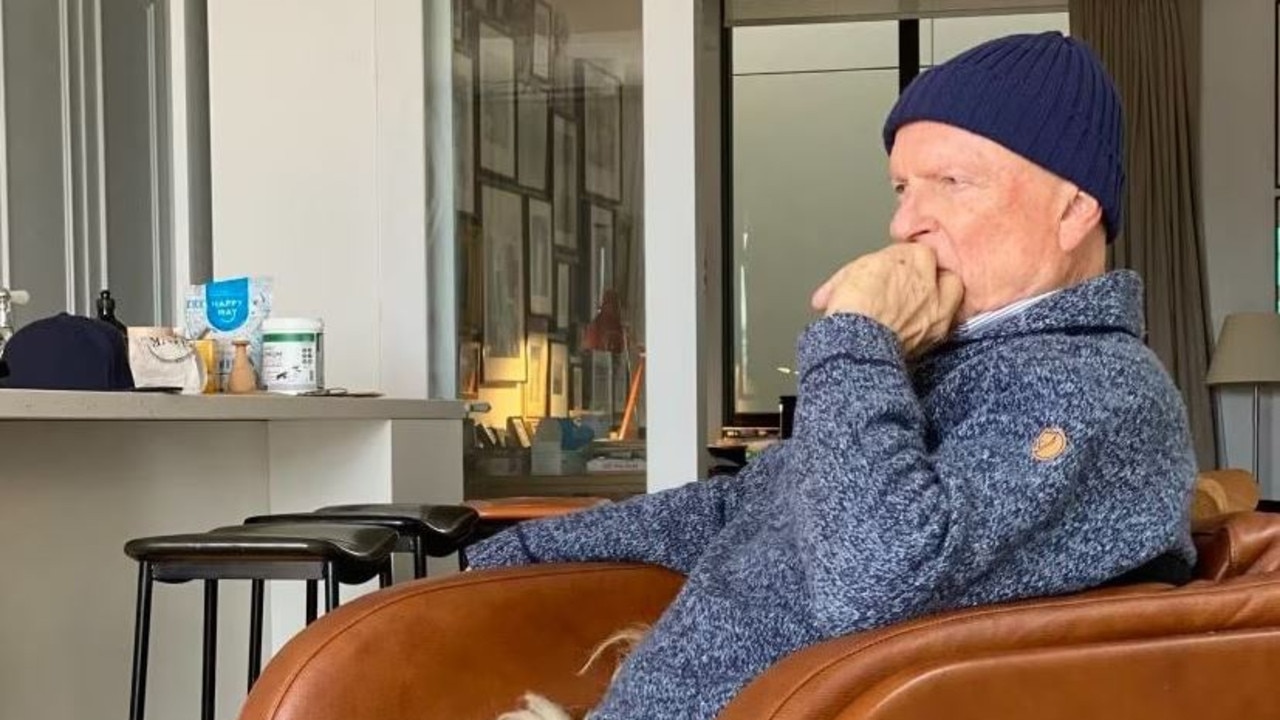
Sam Neill’s voice, steady but raw with vulnerability, cuts through the usual noise of celebrity health updates. “I was at a loss,” he said, describing the moment doctors told him his cancer treatment had stopped working. No dramatic press release, no staged interview—just a truth told plainly, like a line delivered in one of his quieter film roles. That moment, charged with uncertainty and emotional weight, has resonated far beyond fans of Jurassic Park or The Piano. It speaks to anyone who’s faced a health crisis that defied control.
For years, Neill has been open about his battle with dermatofibrosarcoma protuberans (DFSP), a rare soft tissue sarcoma. First diagnosed in 2007, the cancer returned in 2022 after initially being treated and considered under control. His 2023 memoir, Did I Ever Tell You This?, wove personal anecdotes with behind-the-scenes Hollywood stories—but also dedicated significant space to his health struggles. Yet nothing in that book prepared audiences for the blunt honesty of his most recent revelation: the treatments meant to contain his cancer are no longer effective.
A Rare Cancer
with Unpredictable Behavior
Dermatofibrosarcoma protuberans isn’t a household name, and for good reason—it’s rare, affecting about 1 in 100,000 people annually. It typically begins in the dermis, the deeper layer of skin, and often appears as a firm, painless nodule, usually on the trunk or limbs. In Neill’s case, it manifested on his shoulder, first removed surgically in 2007.
What makes DFSP particularly tricky is its tendency to recur. Even with wide-margin excisions—where surgeons remove not just the tumor but a buffer of healthy tissue—microscopic strands can remain, leading to regrowth years later. For Neill, that recurrence came more than a decade after initial treatment.
The standard approach includes surgery, sometimes followed by radiation. In advanced or inoperable cases, targeted therapies like imatinib (Gleevec) are used. Neill underwent such treatment, but as he revealed, the cancer evolved. “The drug stopped working,” he said. “There’s a limit to what medicine can do. I’m still here, still fighting—but it’s different now.”
This isn’t a failure of medicine so much as a reminder of cancer’s complexity. Tumors adapt. Resistance develops. A treatment that once shrank a mass can suddenly lose effect. For patients, that pivot point—when control slips away—is often psychologically devastating.
“I Was at a Loss”: The Emotional Toll of Treatment Failure
When Sam Neill said he was “at a loss,” he wasn’t speaking metaphorically. He was describing a real sense of disorientation—a man used to narrative control, both in storytelling and life, suddenly confronted with a script he couldn’t rewrite.
This emotional phase is well-documented in oncology circles. It’s often called the “adjustment crisis” that follows treatment failure. Patients report feelings of betrayal by their bodies, frustration with the medical system, and a collapse of hope they’d carefully rebuilt. Some retreat. Others double down on alternative paths. A few, like Neill, choose radical transparency.
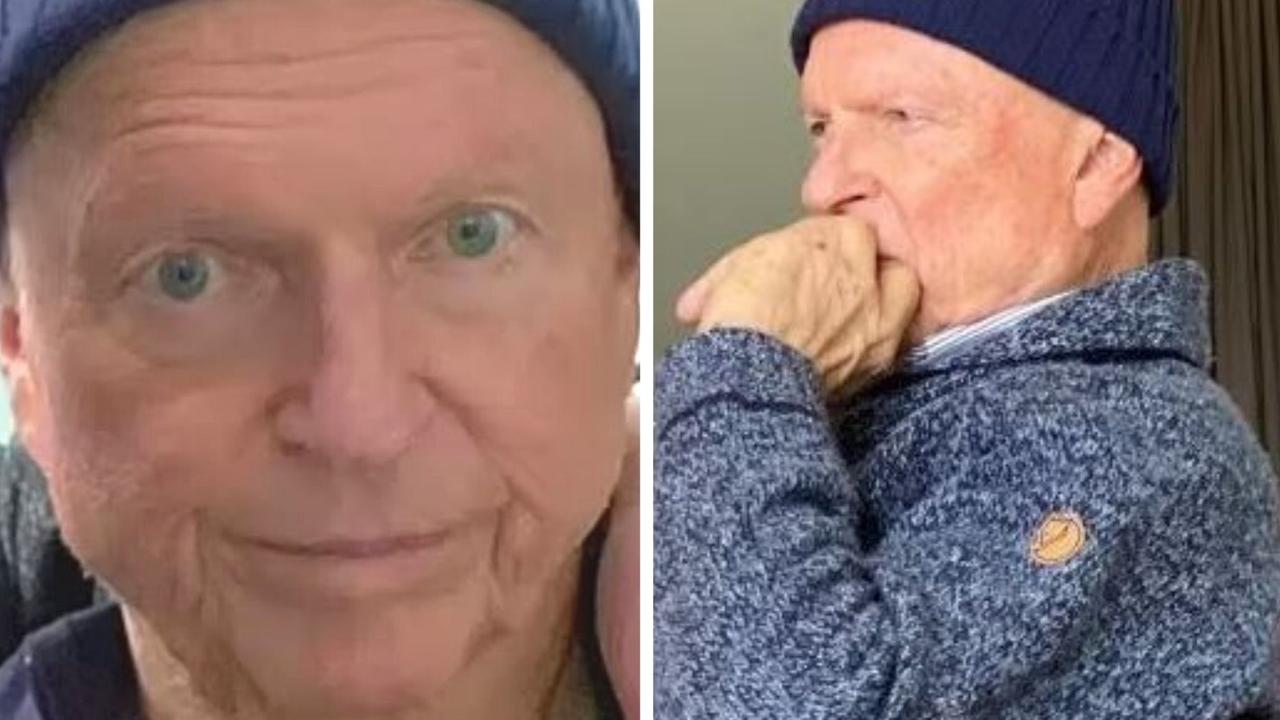
His openness stands in contrast to the typical celebrity response: silence, managed PR statements, or vague “taking time to focus on health” announcements. Neill did none of that. Instead, he granted interviews, wrote candidly, and even injected dark humor—“I’ve outrun dinosaurs, but this bastard keeps coming back.”
That authenticity has done more than inform—it’s created connection. Patients facing similar diagnoses have reached out, thanking him for giving voice to their own private fears. One melanoma survivor wrote: “When he said he was at a loss, I felt seen. I’d never heard anyone put it that way before.”
The Limits of Modern Oncology
Neill’s situation underscores a hard truth: even with advances in immunotherapy, targeted drugs, and precision medicine, cancer remains an unpredictable adversary. DFSP, while often slow-growing, can transform. In rare cases, it develops fibrosarcomatous change—becoming more aggressive and less responsive to treatment.
When first-line therapies fail, options narrow. Clinical trials may be available, but access depends on location, eligibility, and stage. Second-line drugs like sunitinib or pazopanib are sometimes used off-label, but data is limited. Surgery, if feasible, remains the gold standard—but not all recurrences are operable, especially if nerves or blood vessels are involved.
For Neill, the path forward is unscripted. He’s not offering false hope, nor is he surrendering. “I’m still here,” he’s said repeatedly. “That counts for something.” That stance—neither denial nor despair—reflects a growing trend in patient advocacy: embracing uncertainty without relinquishing agency.
How Public Figures Shape Cancer Conversations
Celebrities have outsized influence when it comes to health awareness. When Kylie Minogue revealed her breast cancer diagnosis in 2005, mammogram rates spiked in Australia. When Chadwick Boseman’s colon cancer story emerged posthumously, it catalyzed a wave of early screenings among younger Black men.
Sam Neill’s impact may be subtler but no less important. He’s not promoting a cure. He’s not launching a foundation. Instead, he’s modeling how to talk about illness without performative optimism. No “fighting cancer” slogans. No transformational journey arc. Just honesty.
That kind of messaging matters. Research shows that overly positive narratives can make patients feel isolated when they’re scared, tired, or grieving. Neill avoids that trap. He acknowledges fear. He admits confusion. And in doing so, he gives others permission to do the same.
His approach also challenges the “warrior” trope so common in cancer discourse. Not every patient wants to be a fighter. Some just want to live—fully, quietly, without metaphor. Neill, ever the understated performer, embodies that perspective.
Practical Takeaways for Patients and Caregivers
While Neill’s experience is unique, it offers actionable insights for those navigating similar paths:
- Demand clarity, not just hope. When a treatment stops working, ask: What are the realistic next steps? What are the odds? What are the side effects? Avoid vague promises.
- Seek multidisciplinary input. DFSP and other rare cancers benefit from tumor boards—teams of surgeons, oncologists, radiologists, and pathologists reviewing cases together. If your hospital doesn’t offer this, consider a second opinion at a major cancer center.
- Document your journey. Neill’s memoir didn’t just inform—it helped him process. Writing, audio journals, or even private video logs can be therapeutic.
- Balance realism and resilience. Accepting that a treatment failed doesn’t mean giving up. It means adjusting strategy. Some patients shift focus from cure to quality of life. Others pursue experimental options. Both are valid.
- Use your voice—if you want to. Not everyone should go public, but sharing your story (even privately) can reduce isolation. Support groups, online forums, and peer networks often form around rare diagnoses.
One common mistake is delaying conversations about prognosis. Many patients wait for doctors to bring it up. But if it’s on your mind, say so. “What happens if this stops working?” is a necessary question—not a failure of faith.
The Role of Humor and Humanity in Illness
Neill has never been one to take himself too seriously. Even in crisis, he’s made space for humor. “At least it’s not a brain tumor,” he once joked. “I need my brain for remembering lines.” It’s a dark quip, yes—but also a coping mechanism.
Studies show humor can reduce anxiety, improve pain tolerance, and strengthen social bonds during illness. It’s not about laughing off suffering, but about reclaiming agency. When you can laugh, you’re not entirely powerless.
His ability to balance gravity and levity makes his story relatable. He’s not a saintly patient. He’s not angry or bitter. He’s a man doing his best with a broken script.
What Comes Next?
There’s no official update on Neill’s current treatment plan. He’s continued working when possible—appearing in interviews, supporting film projects, and even making light of his situation. “Still here,” he says, almost as a mantra.
For fans and patients alike, that phrase carries weight. It’s not victory. It’s not resignation. It’s presence.
In a culture obsessed with outcomes—cure, relapse, survival rates—Neill’s story reminds us that the in-between matters. The days without answers. The moments of doubt. The choice to keep going, even when the path isn’t clear.
That’s not just a cancer narrative. It’s a human one.
Final Thought: Sam Neill’s health journey isn’t about finding a miracle cure. It’s about facing uncertainty with honesty, humor, and quiet courage. For anyone navigating a stalled treatment or a shifting diagnosis, his message is clear: being at a loss doesn’t mean you’re lost. Keep asking questions. Keep showing up. And if you can, find moments of light—even in the dark.
Frequently Asked Questions
What type of cancer does Sam Neill have? Sam Neill has dermatofibrosarcoma protuberans (DFSP), a rare soft tissue sarcoma that begins in the skin and can recur despite treatment.
When did Sam Neill’s cancer treatment stop working? He revealed in 2023 that his treatment for DFSP had ceased to be effective, though he did not specify an exact date.
Is dermatofibrosarcoma protuberans curable? In many cases, yes—especially when caught early and treated with wide-margin surgery. However, it can recur and become resistant to medication over time.
What treatment did Sam Neill receive? He underwent surgery and later received imatinib (Gleevec), a targeted therapy used for advanced or inoperable DFSP.
Has Sam Neill stopped working due to his health? No, he has continued public appearances and interviews, emphasizing that he remains active despite his condition.
How has Sam Neill spoken about his diagnosis? With candor and occasional humor, avoiding sensationalism. He’s discussed feeling “at a loss” when treatment failed but remains focused on living fully.
Where can I learn more about DFSP? Reliable sources include the American Academy of Dermatology, the Sarcoma Foundation of America, and peer-reviewed journals like The Lancet Oncology.
What mistakes should you avoid? Avoid generic choices, weak validation, and decisions based only on marketing claims.
What is the next best step? Shortlist the most relevant options, validate them quickly, and refine from real-world results.